




Rest Axis
Why you sleep 8 hours and still wake up tired
The number of hours isn't the same as the quality of REM and NREM phases. Here's the difference.
Formulas designed for the four hormonal axes that fall out of balance after 35: rest, digestion, metabolism and female hormonal balance.

After 35, a woman's body changes. And generic supplements stop working.
When cortisol, digestion, metabolism or female hormones go off-balance after 35, the other axes feel it. That's why BioHarmony is organized by axes — not by isolated symptoms.
Each product works on a specific axis with real therapeutic doses and combinations designed for women 35+.
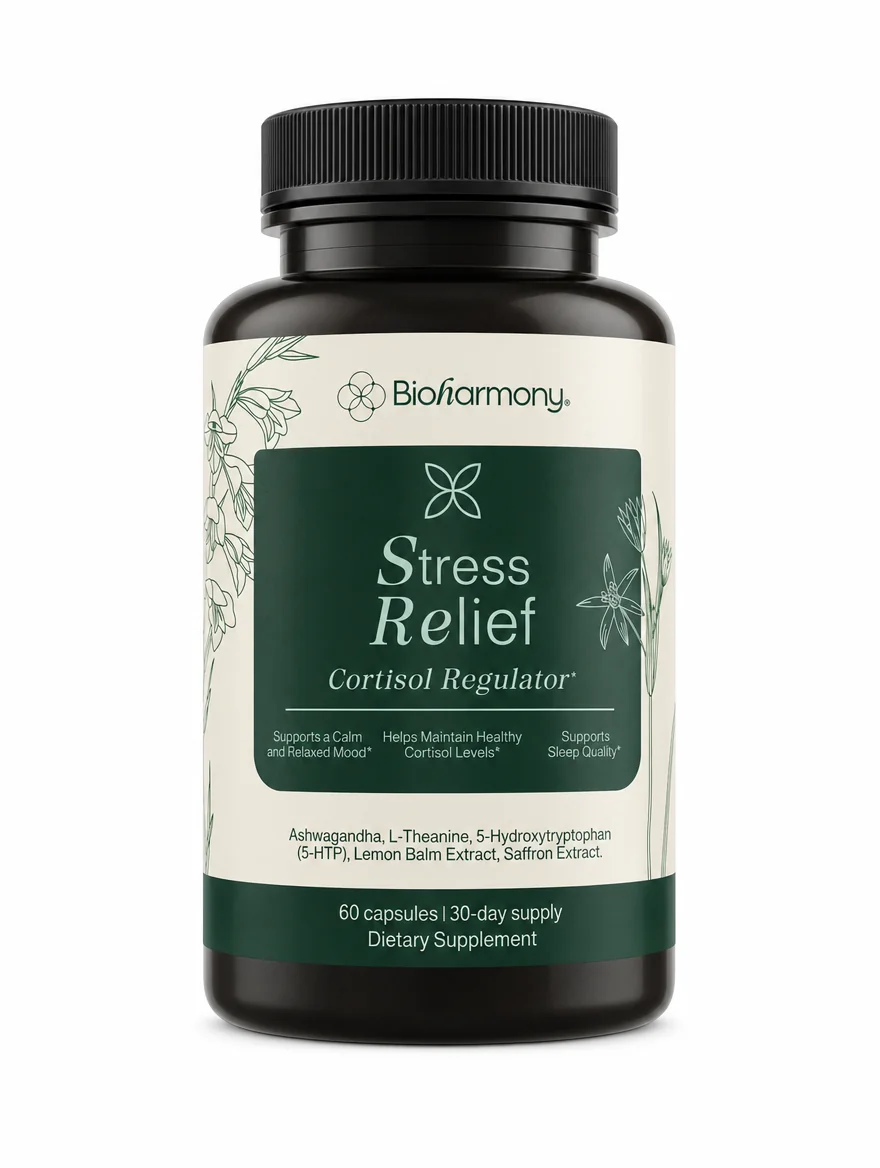
Reduces low-intensity anxiety and daytime cortisol spikes. Alert calm — without sedation.
View product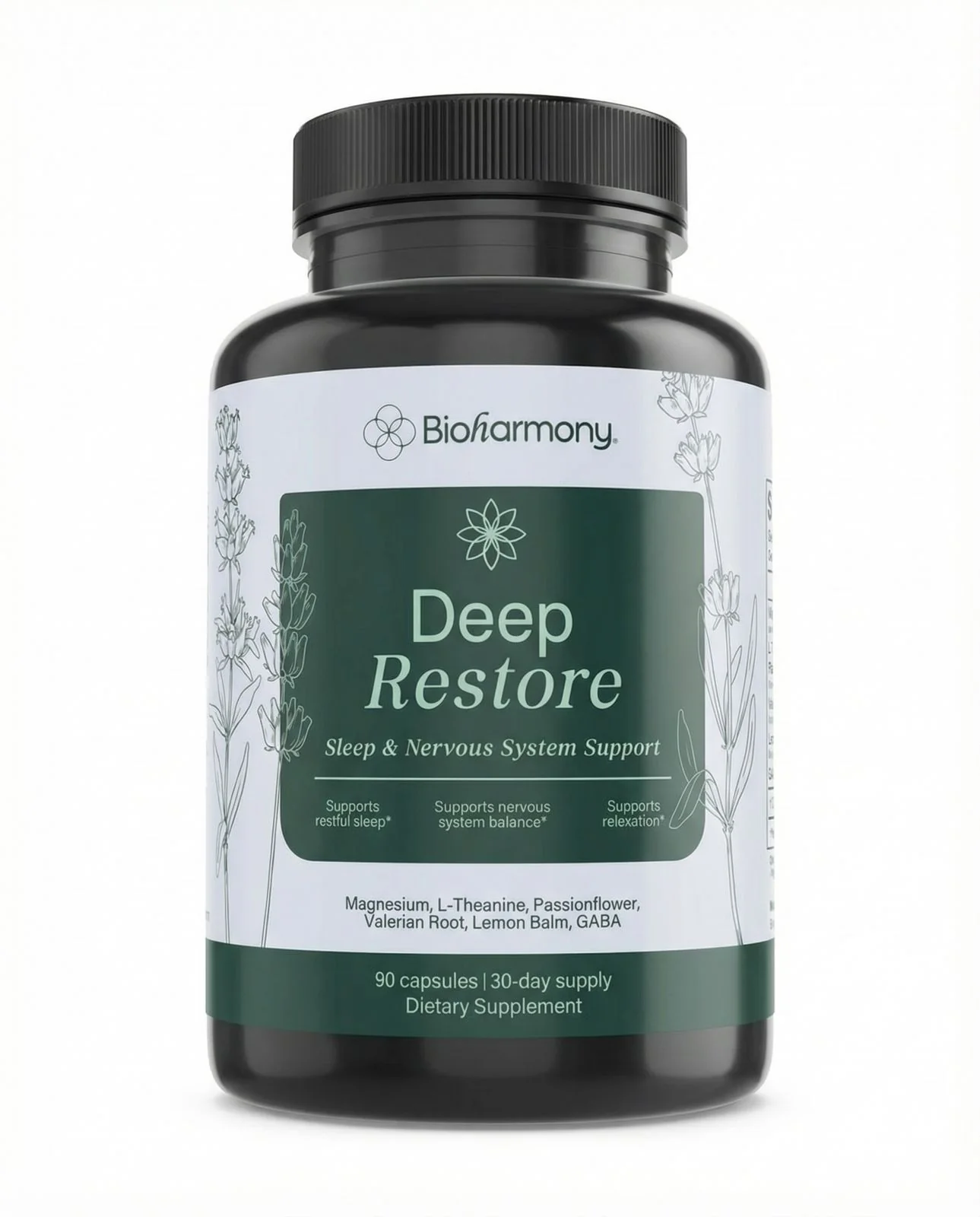
Restores the reparative phases of sleep that stress disrupts. Doesn't induce sleep — repairs sleep.
View product
4-in-1 formula for microbiota, enzymes, prebiotics and intestinal lining. Reduces chronic bloating.
View product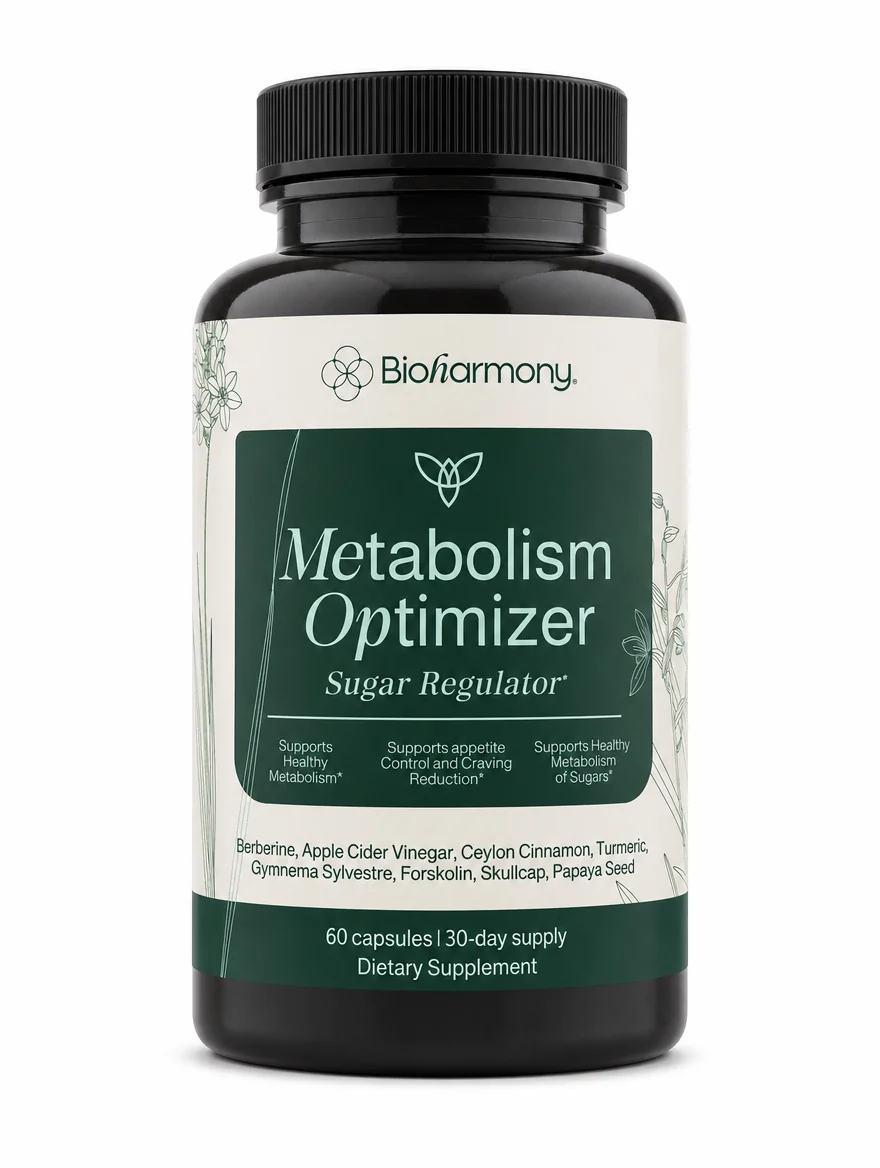
Improves insulin sensitivity and reduces intense afternoon cravings. No harsh stimulants.
View product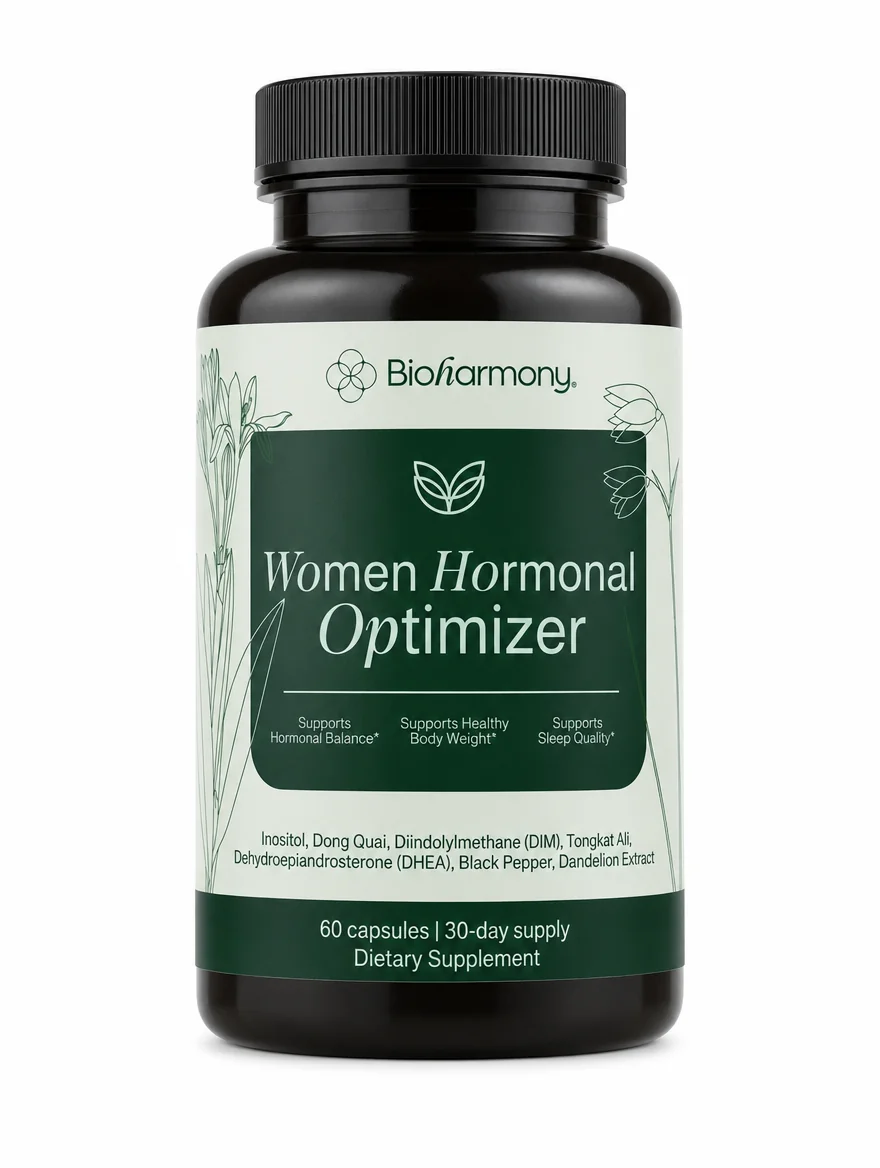
Modulates estrogen and progesterone. Reduces hot flashes, mood swings and hormonal brain fog.
View product
"After years of hearing women ask me why they took everything and nothing worked, I understood the problem wasn't products. It was approach."
— Mario Velásquez, Founder of BioHarmony
Read the storyReal testimonials from BioHarmony clients in perimenopause and menopause.
[Pending · Testimonial about the Rest Axis. Recommended: 2-3 sentences on perceived change in anxiety or sleep.]
[Pending · Testimonial about the Metabolic Axis. Recommended: change in cravings, energy or body composition.]
[Pending · Testimonial about the Reproductive Axis. Recommended: change in hot flashes, cyclical mood or libido.]
Short reads to understand what's happening in your body after 35.
The number of hours isn't the same as the quality of REM and NREM phases. Here's the difference.

Four components hardly anyone explains and that are probably already off-balance.

Progesterone falls up to ten years before your last period. Why it matters.